When you’re looking for rising length that are increasing in length you’re most likely looking at one of the charts for pants, trousers, jeans or shorts. In clothing terms, the longer the length is, the more it extends from the top of the waistband to the crotch. Another term used for this measurement is rise of the garment. It can help to demonstrate the positioning of the waistband on the body when the garment is worn.
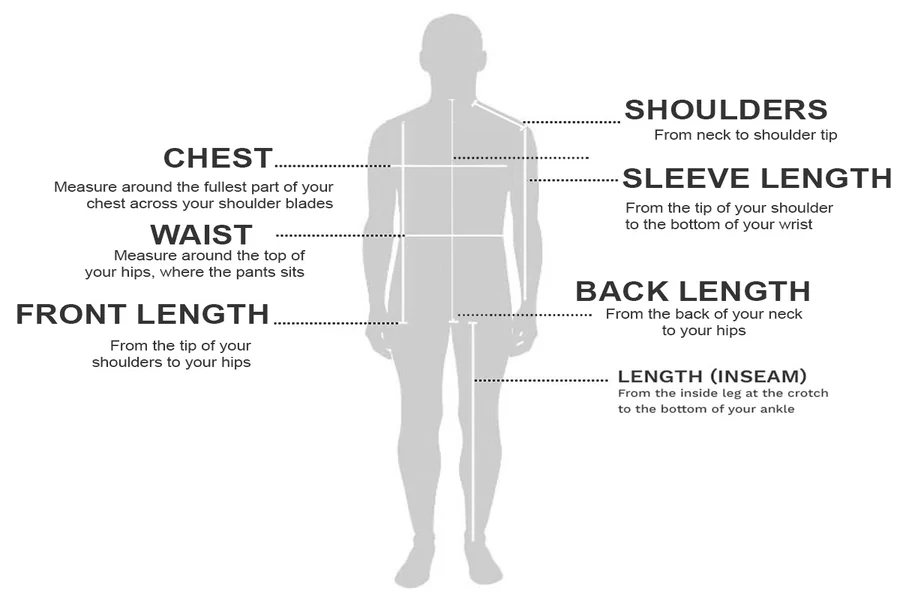
If you know how to measure up as you buy clothes online, it can make the shopping experience easier. The size of the waist is not enough to determine how a pair of pants will fit on your body. A pair of trousers with the same waist and inseam could feel very different since they may have either different rise measurements or no rise at all. Therefore, a measurement of the increased length of growth may be helpful when selecting a size.
Featured Answer: What Does Rising Length Mean?
Clothing length is measured when trousers, jeans, shorts etc. are longer. It is the distance from the top of the waist band to the crotch. One way to describe pant size in many sizing guides. Bodygram’s clothing guide says it’s the distance from the top of the waistband to crotch.
The shorter the rising length the lower the waistband will sit. The longer the measurement is the higher the waistband will be. Also, the exact fit will depend on the cut of the garment, the shape of the waist, the type of fabric and the shape of the body.
Rising Length Quick Facts
| Feature | Details | Example |
| Measurement Type | Garment measurement | Pants or shorts |
| Meaning | Waistband-to-crotch distance | Pant rise |
| Common Use | Size charts | Trousers and jeans |
| Short Measurement | Usually lower rise | Low-rise pants |
| Longer Measurement | Usually higher rise | High-rise pants |
| Related Term | Rise | Front rise or pant rise |
| Important For | Comfort and fit | Waist position |
| Main Keyword | rising length | Clothing measurement |
Why Rising Length Matters
The increase in length of the length will determine the location of the waistband as well as the amount of space available through the crotch and hip area. If the trousers’ waist is the right size, this can alter the fit of the pants.
One pair of pants might be tight in the crotch while another is loose. This could be due to the fabric’s length, its stretch, the pattern’s design or the general fit.
It also influences the proportions of sight. A higher riser can make the legs look longer as the waistband is higher. A lower rise will put the waistband nearer to the hips. The menswear fit guide also says that pant rise is the distance from the waistband on the crotch to the top and that it affects the perceived waistline.
How to Measure Rising Length
Measuring rising length is simple when the garment is laid flat.
Step 1: Lay the Pants Flat
Place the trousers, jeans, or shorts on a smooth surface. Make sure the waistband is straight and the fabric is not folded.
Step 2: Find the Top of the Waistband
Start from the upper edge of the waistband. For the most consistent result, use the same point shown in the seller’s size guide.
Step 3: Measure to the Crotch
Run the measuring tape from the top of the waistband to the crotch seam. This distance is the rising length.
Step 4: Compare With the Size Chart
After measuring, compare your result with the brand’s size chart. A product page may list rising length in centimeters or inches.
Rising Length vs Inseam
Shoppers sometimes confuse rising length with inseam. They are different measurements.
| Measurement | What It Measures | Why It Matters |
| Rising length | Top of waistband to crotch | Shows rise and waistband position |
| Inseam | Crotch to hem | Shows inside leg length |
| Outseam | Waistband to hem | Shows total outside length |
| Waist | Around or across waistband | Helps determine waist fit |
| Hip | Widest hip area | Helps determine seat fit |
If a pair of pants has the correct inseam but the wrong rising length, the legs may be the right length while the waist position still feels uncomfortable.
Rising Length vs Pant Rise
In many fashion guides, length and pant rise are very similar and are being used to mean the same thing. Some stores measure “rise,” and others measure “rising length.”
There may still be a variation in measuring methods. On some charts, there’s a measurement for front rise, back rise, or a general rise. Therefore, always refer to the diagram supplied by the seller before comparing the rising length of brands.
The intent is the same – to demonstrate how far away the waistband area is from the crotch area, but the wording may vary.
Types of Rising Length
There is no single rising length that works for every person. Garments are commonly grouped into low-rise, mid-rise, and high-rise styles.
Low-Rise Pants
Low-rise clothing has a shorter rising length and normally sits lower on the body.
Low-rise pants may sit around the hips rather than near the natural waist. They can work well for people who prefer a lower waistband or a longer-looking torso.
Because brand sizing varies, do not rely only on labels such as “low rise.” Check the actual rising length in the size chart.
Mid-Rise Pants
Mid-rise trousers usually sit between the hips and natural waist.
For many shoppers, a mid-rise rising length provides a balanced everyday fit. It may work for office trousers, casual pants, jeans, and shorts.
Again, the exact number can vary by brand, size, and garment style.
High-Rise Pants
High-rise pants have a longer rising length and place the waistband higher on the torso.
This style can create more coverage through the stomach and hip area. It may also change the visual balance between the legs and upper body.
When comparing high-rise products, use the actual rising length rather than assuming all high-rise pants fit the same way.
Front Rise and Back Rise
Some brands provide separate front-rise and back-rise measurements instead of one general rising length.
Front rise is measured from the front waistband to the crotch seam. Back rise is measured from the back waistband to the crotch area. The back measurement is usually shaped to provide coverage over the seat.
If a size chart provides only one rising length, check the brand’s measurement diagram to confirm whether it represents the front rise or another method.
How Rising Length Affects Comfort
A suitable rising length can help pants feel more natural when standing, sitting, walking, or bending.
If the rise is too short, the crotch area may feel tight or the waistband may pull downward. If the rise is too long, extra fabric may gather around the crotch or waist.
Comfort is not determined by rising length alone. Hip room, thigh width, waistband stretch, fabric, and overall pattern also matter.
Still, checking the rise measurement gives you another useful point for judging fit before ordering.
How Rise Measurement Changes the Look of Pants
The rise measurement can affect the overall appearance of trousers.
A higher waistband can visually lengthen the legs. A lower waistband can make the torso appear longer. These effects are partly based on body proportions and styling choices.
People who tuck in shirts may notice the effect of the rise more clearly because the waistband remains visible.
With untucked shirts, the difference may be less noticeable from the outside, but it can still affect comfort.
Rise Measurement for Jeans
Jeans are one of the most common products where the rise measurement matters.
Rigid denim may feel less forgiving than stretch denim, so a rise that fits correctly can be especially important. If jeans feel tight at the crotch even though the waist fits, check whether the rise measurement is shorter than your preferred pair.
When shopping online, compare the rise of a new pair with jeans you already find comfortable.
This simple comparison can make the measurement easier to understand than relying only on a generic size label.
Rise Measurement for Trousers
Dress trousers and work pants can use different rise measurements depending on the cut.
A classic trouser may have a longer rise measurement, while some modern slim styles may have a shorter rise.
The best choice depends on comfort, body proportions, and how the trousers are meant to sit.
If you wear shirts tucked in, the rise can also affect where the belt line appears.
Rise Measurement for Shorts
Shorts can also include a rise measurement. Bodygram lists this measurement for both trousers and shorts, using the distance from the top of the waistband to the crotch.
The rise can influence whether shorts sit near the hips, mid-waist, or higher.
When comparing shorts, check the rise together with inseam and leg opening. These three measurements can give a clearer picture of the final fit.
Rise Measurement for Men and Women
The meaning of the rise measurement does not fundamentally change between men’s and women’s clothing. It still describes a waistband-to-crotch measurement.
However, garment patterns can differ. Waist placement, hip shape, seat room, and style trends can all affect how the same numerical measurement feels on different garments.
For this reason, compare measurements within the relevant product category rather than assuming a number from one brand will feel identical in another.
How to Choose the Right Rise Measurement
Choosing the right rise measurement starts with a pair of pants you already like.
Measure that garment using the same method shown in the new product’s size chart. Then compare the numbers.
If your favorite jeans have a 28 cm rise measurement, a new pair with a similar measurement may sit in a similar area. This is not a guarantee because patterns and fabrics differ, but it gives you a practical reference.
Also consider whether you want the new item to sit lower, the same, or higher.
Rise Measurement and Body Proportions
Body proportions can influence which rise measurement feels best.
Someone with a longer torso may prefer a higher waistband. Another person may prefer a shorter rise because it keeps the waistband lower.
There is no universal rule. Comfort and personal style matter more than following a fixed number.
Use the rise measurement as a measurement tool rather than a strict body-type rule.
Rise Measurement and Waist Size
Waist measurement and rise measurement work together but describe different things.
The waist tells you how wide the waistband is. The rise tells you where that waistband sits in relation to the crotch.
Two pants can have the same waist size and different rise values. This can make them feel completely different even when both close comfortably at the waist.
That is why shoppers should check more than one measurement.
Rise Measurement and Hip Fit
A longer or shorter rise measurement may change how fabric is distributed around the hips and seat.
However, rise alone does not determine hip fit. Hip width and garment shape are also important.
If trousers pull across the seat, check the hip measurement as well as the rise.
If there is too much loose fabric, compare the full size chart rather than assuming the rise is the only issue.
Common Rise Measurement Mistakes
| Mistake | Why It Matters | Better Approach |
| Measuring while wearing the pants | Body movement can change the reading | Lay the garment flat |
| Starting below the waistband | Result becomes too short | Start at the top edge |
| Measuring the inseam instead | Measures leg length, not rise | Measure waistband to crotch |
| Ignoring the seller’s diagram | Brands may use different methods | Follow the brand guide |
| Comparing different size systems | Numbers may not match directly | Convert units first |
| Assuming all rises fit the same | Cut and fabric change fit | Compare several measurements |
Avoiding these mistakes makes the rise measurement easier to use when shopping online.
Rise Measurement Size Chart Example
The table below is only an example of how a retailer might display this measurement. It is not a universal sizing standard.
| Size | Waist | Rise Measurement | Inseam |
| Small | 72 cm | 25 cm | 76 cm |
| Medium | 78 cm | 26 cm | 77 cm |
| Large | 84 cm | 27 cm | 78 cm |
| XL | 90 cm | 28 cm | 79 cm |
Actual measurements vary between brands and garments. Always use the product’s own chart.
How to Compare Rise Measurement Between Brands
When comparing two brands, first confirm that both measure the rise in the same way.
One retailer may measure the front rise. Another may measure along a slightly different seam or include the waistband differently.
Convert centimeters and inches when needed. Then compare the size closest to your waist and hip measurements.
Using the rise this way is more reliable than comparing only labels such as S, M, L, 30, or 32.
Why Online Shoppers Should Check Rise Measurement
Online shopping removes the chance to try clothing on before ordering.
That makes the rise useful because it helps describe how trousers may sit on the body.
A shopper who already knows a comfortable rise measurement can compare it with product charts and reduce guesswork.
This can be especially helpful when trying a new brand, buying imported clothing, or switching between low-rise and high-rise styles.
Rise Measurement in Inches vs Centimeters
A rise measurement may be listed in inches or centimeters.
To compare them, remember that 1 inch equals 2.54 centimeters.
For example, a 10-inch rise is about 25.4 cm. A 12-inch rise is about 30.5 cm.
Always check the unit before judging whether a rise is short or long.
What Is a Good Rise Measurement?
There is no single good rise measurement for everyone.
The best measurement is the one that places the waistband where you want it and gives enough room through the crotch and seat.
Start by measuring pants you already enjoy wearing. Use that number as your personal reference.
From there, choose a shorter or longer rise depending on the style you want.
Does Rise Measurement Change by Size?
Yes, the rise measurement can change as garment size changes.
Larger sizes may have additional rise, hip room, or pattern adjustments. However, the amount of change depends on the brand and product.
Never assume every size increases by the same amount.
Check the size chart for the exact rise listed for your selected size.
Does Fabric Affect Rise Measurement Fit?
Fabric does not change the listed rise measurement, but it can change how that measurement feels.
Stretch denim may move more easily around the body. Rigid cotton trousers may feel more structured.
A soft elastic waistband can also sit differently from a stiff tailored waistband.
That means two garments with the same rise can still feel different in real use.
Rise Measurement Keyword Variations
| Keyword Variation | Search Intent |
| rise measurement | General clothing measurement |
| rise length meaning | Definition search |
| rise length pants | Pants sizing |
| rise length trousers | Trouser measurement |
| pant rise size chart | Shopping and sizing |
| how to measure pant rise | Measurement guide |
| pants rise meaning | Alternative wording |
| pant rise measurement | Related sizing term |
People searching for this measurement may be trying to understand a size chart, compare pants, or learn how to measure a garment correctly.
Google PAA: Rise Measurement Questions
| Question | Short Answer |
| What is the rise in pants? | It is the distance from the top of the waistband to the crotch area. |
| Is rise length the same as rise? | In many clothing charts, yes. Both usually describe the waistband-to-crotch measurement. |
| How do you measure pant rise? | Lay the garment flat and measure from the top waistband edge to the crotch seam. |
| Does pant rise affect fit? | Yes. It affects waistband position, crotch room, comfort, and the overall look of the pants. |
| Does a longer rise mean high rise? | Usually, a longer rise places the waistband higher, though the exact fit varies by garment. |
| Is pant rise the same as inseam? | No. Rise measures waistband to crotch, while inseam measures crotch to hem. |
Final Thoughts
Understanding pant rise is important when choosing pants, jeans, trousers, and shorts. It usually describes the distance from the top of the waistband to the crotch and helps explain where the waistband will sit.
Checking this measurement can be especially useful when shopping online because waist and inseam measurements do not tell the whole story.
For the best comparison, measure a pair of pants you already like. Then compare that rise measurement with the size chart of the new garment.
Also check waist, hip, thigh, inseam, and fabric details. A good fit depends on the full pattern rather than one number.
Once you understand pant rise, size charts become easier to read and you can make more informed choices about low-rise, mid-rise, and high-rise clothing.
FAQs
What does rising length mean?
Rising length means the distance between the top of the waistband and the crotch on pants, trousers, jeans, or shorts.
How do I measure rising length on pants?
Lay the pants flat and measure from the top edge of the waistband down to the crotch seam. That measurement is the rising length.
Is rising length the same as front rise?
Sometimes. A general rising length may refer to front rise, but brands can use different methods. Check the seller’s measuring diagram.
Is rising length the same as inseam?
No. Rising length measures from waistband to crotch, while inseam measures from crotch to the bottom hem.
Does a longer rising length mean high-waisted pants?
Usually, yes. A longer rising length generally places the waistband higher, although the final fit depends on garment design and body proportions.
Why should I check rising length before buying jeans?
Checking rising length helps you estimate waistband position and crotch room, which can improve comfort and reduce sizing mistakes.
Can rising length vary between brands?
Yes. Rising length can vary by brand, style, size, and measurement method, so always check the specific product chart.
What rising length should I choose?
Choose a rising length close to pants you already find comfortable, then adjust shorter or longer based on your preferred waistband position.
1 thought on “Rising Length: Meaning, Measurement, Fit Guide, and Size Chart Tips”